
Mastering Dental Practice Build-Out Budgets & Construction Management
By Maritza Duran | Startup Consultant & Research-Driven Advocate for Dentists
Opening a new dental practice or expanding an existing one is one of the most significant investments a dentist will make in their career. The physical space of a practice directly influences patient experience, clinical efficiency, and long-term profitability. However, the build-out process can quickly become overwhelming without the right planning, budgeting, and construction management strategies in place.
Dental offices are not typical commercial spaces. They require specialized infrastructure, highly coordinated equipment installation, and carefully designed workflows that support both patient comfort and clinical productivity. Without proper oversight, costs can escalate, timelines can extend, and critical design mistakes can impact the practice for years.
Successful dental practice construction projects require careful planning, realistic budgeting, and strategic decision-making at every stage. From selecting the right location and contractor to managing change orders and construction timelines, each decision plays a role in determining whether the project stays on track and within budget.
With the right strategy and professional guidance, dentists can approach their build-out with confidence, ensuring that their new practice space supports both immediate success and long-term growth.
Understanding the Unique Challenges of Dental Practice Build-Outs
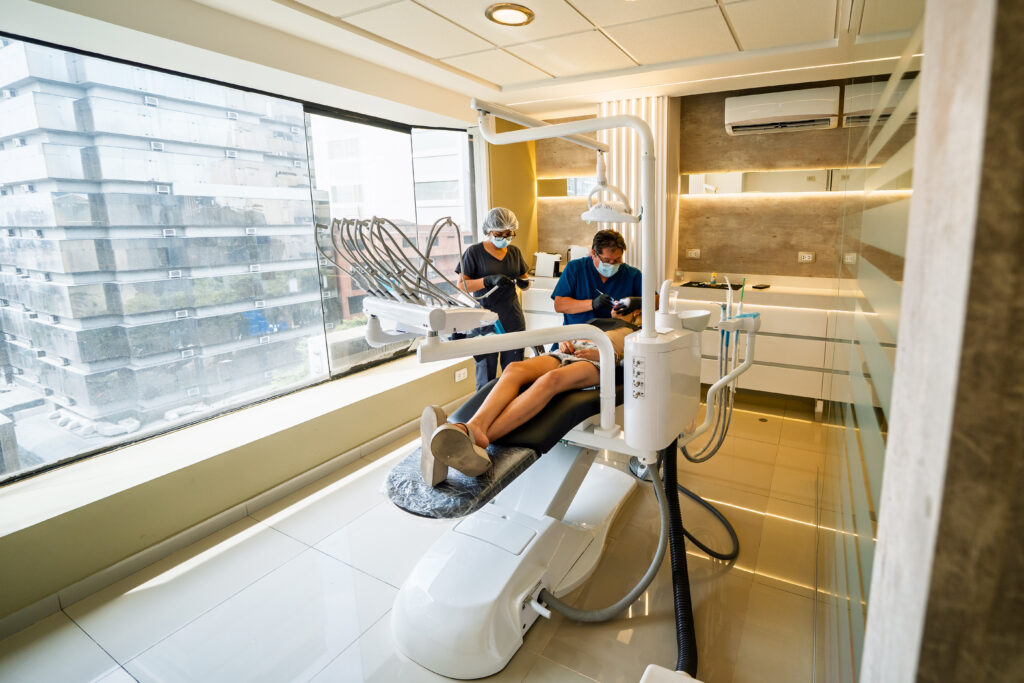
Dental build-outs are far more complex than traditional commercial renovations. Every operatory must be designed with precision to accommodate dental equipment, sterilization workflows, plumbing infrastructure, and electrical requirements that support modern technology.
Even small planning mistakes during construction can lead to costly modifications later. For example, improperly placed plumbing lines, insufficient electrical capacity, or inefficient patient flow can create operational challenges that affect productivity and patient satisfaction.
Today’s dental practices must also meet higher expectations for both clinical technology and patient experience. Patients expect modern, comfortable environments that reflect professionalism and quality care. At the same time, dentists require highly efficient workspaces that allow their teams to operate smoothly throughout the day.
Modern dental practice design therefore focuses on balancing three critical priorities:
Clinical efficiency
Patient comfort
Long-term operational flexibility
Achieving this balance requires careful coordination between architects, contractors, equipment planners, and dental consultants who understand the specific needs of dental practices.
Building a Realistic Budget for Your Practice
One of the most common challenges dentists face during a build-out is budget overruns. Many practice owners begin construction with rough estimates, only to discover that specialized dental infrastructure and equipment requirements significantly increase project costs.
A realistic build-out budget must account for far more than basic construction expenses. Dental practice projects often include:
Dental operatory equipment installation
Specialized plumbing and electrical infrastructure
Sterilization and infection control systems
IT infrastructure and imaging technology
Cabinetry and dental-specific millwork
Patient reception and consultation spaces
Because of these unique requirements, dental construction costs can vary widely depending on the size of the practice, the number of operatories, and the level of technology being installed.
A carefully structured budget should also include contingency planning. Unexpected challenges may arise during construction, such as structural adjustments, permitting delays, or equipment delivery issues. Allocating contingency funds allows the project to continue moving forward without creating financial strain on the practice.
Dentists who approach budgeting strategically are far more likely to maintain control over their investment and avoid costly surprises during construction.
Evaluating and Selecting the Right Contractor
Choosing the right contractor is one of the most important decisions in any dental practice build-out. Not all contractors have experience working with dental offices, and the unique requirements of dental infrastructure make this experience extremely valuable.
A contractor who understands dental practice construction will be familiar with:
Operatory plumbing configurations
Dental equipment installation requirements
Sterilization workflow planning
Electrical loads required for imaging systems
Coordination with dental equipment suppliers
When reviewing contractor proposals, it is important to evaluate more than just the price. The lowest bid does not always represent the best value if the contractor lacks dental-specific experience or does not fully understand the technical requirements of the project.
Dentists should carefully review contractor qualifications, past projects, and references before making a final decision. Clear communication between the dentist, contractor, architect, and equipment planner is also essential to keeping the project moving smoothly.
A well-coordinated team can prevent misunderstandings, minimize delays, and ensure that the finished space functions exactly as intended.
Managing Change Orders and Construction Timelines
Even with thorough planning, most construction projects involve some degree of change during the build-out process. These changes, known as change orders, can affect both the project timeline and overall budget.
Without proper oversight, frequent change orders can quickly cause costs to escalate. Successful project management involves carefully reviewing each proposed change and determining whether it is truly necessary.
Clear documentation is critical when managing construction changes. Every modification should be recorded in writing, including the cost impact, timeline adjustments, and approval from all relevant parties.
Maintaining organized documentation helps ensure transparency and prevents confusion between contractors, architects, and the practice owner.
Project timelines also require careful monitoring. Supply chain delays, permitting issues, and equipment delivery schedules can all influence construction progress. Building flexibility into the project timeline allows the team to respond to unexpected challenges while keeping the overall project moving forward.
With strong oversight and consistent communication, dentists can maintain control of both the budget and the construction schedule.
Aligning Construction With Long-Term Practice Strategy
A dental practice build-out should never be viewed as simply a construction project. Instead, it should be approached as a strategic investment that supports the future growth of the practice.
Thoughtful design and planning can significantly influence how efficiently a practice operates. Operatories that are positioned correctly improve clinical workflow, while properly designed sterilization areas support infection control and staff productivity.
Reception areas, consultation rooms, and patient flow also play an important role in the overall patient experience. When these elements are carefully planned, patients feel more comfortable and confident in the practice.
Forward-thinking practice owners also consider long-term growth during construction planning. Designing infrastructure that allows for additional operatories, expanded technology, or future equipment upgrades can save substantial costs later.
By aligning construction decisions with business goals, dentists can create practice environments that continue supporting their success for many years.
Growing Your Practice After Construction
Completing a dental build-out is an exciting milestone, but it represents only the beginning of a practice’s next phase of growth. Once the new space is operational, the focus shifts to optimizing workflow, attracting new patients, and maximizing the efficiency of the practice.
Modern dental practices benefit from strong operational systems, digital technology integration, and strategic marketing efforts that help build visibility within the community. A well-designed practice space provides the foundation for these initiatives by creating an environment where both staff and patients feel confident and comfortable.
Dentists who combine strong operational planning with a thoughtfully designed clinical space are better positioned to deliver exceptional patient care while growing a thriving practice.
Expert Guidance for Dental Practice Build-Out Success
Navigating a dental practice build-out requires expertise across multiple disciplines, including real estate planning, construction management, equipment coordination, and operational strategy. Without the right guidance, dentists can easily encounter unexpected costs or design challenges that affect the long-term success of their practice.
MDent provides consulting services specifically designed to help dentists successfully plan, build, and grow their practices. From early-stage planning and budgeting to construction oversight and operational strategy, the MDent team works closely with dentists to ensure that every decision supports long-term success.
With expert guidance and a carefully structured strategy, dentists can move through the build-out process with confidence, creating a practice environment that supports exceptional patient care and sustainable growth.